Limbs That No Longer Threaten Structures
Tree Trimming & Pruning in Spartanburg for overgrown canopies, branches contacting roofs, and trees blocking light or airflow
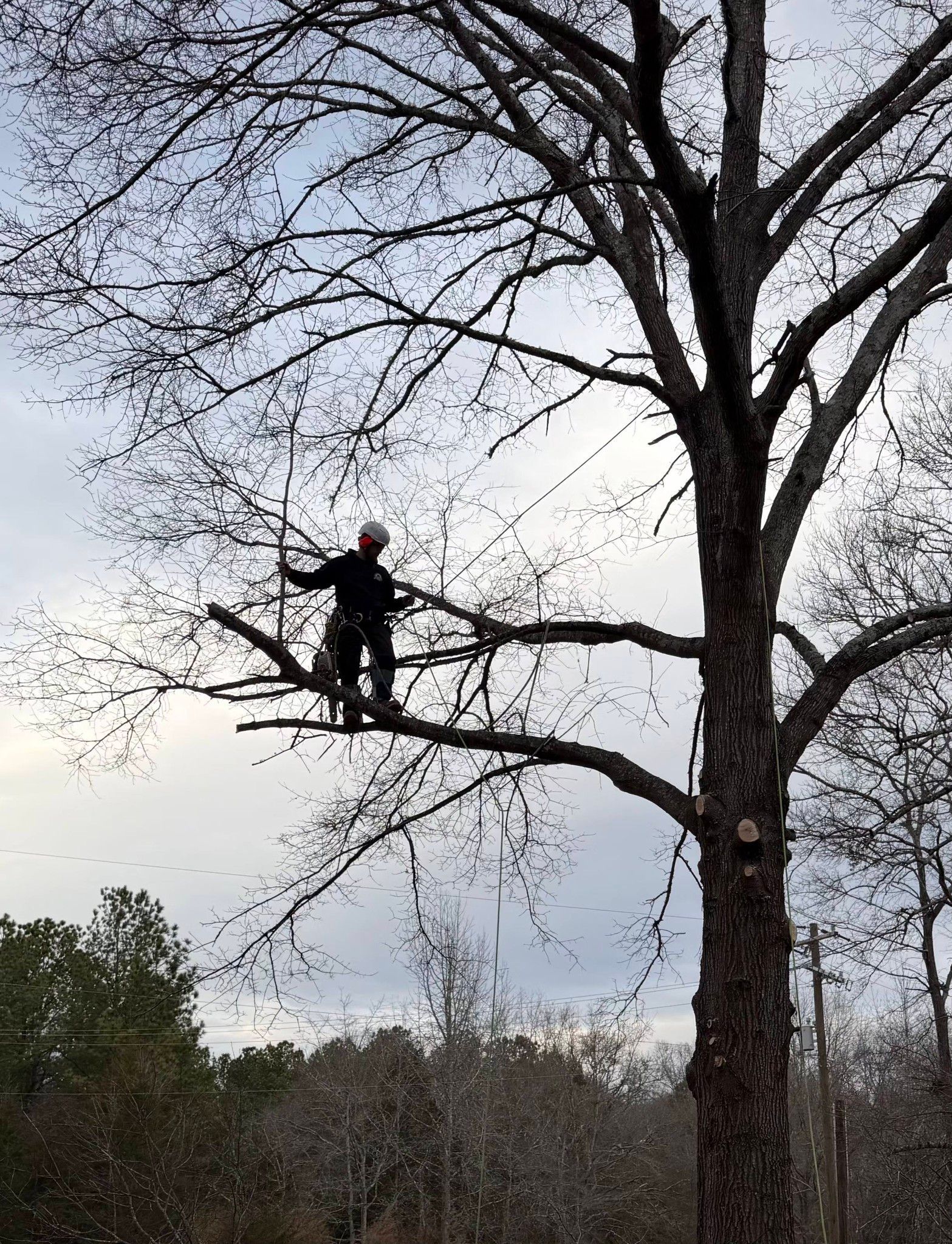
Branches scraping rooflines during windstorms, limbs sagging over driveways after heavy rain, and dense canopies that turn yards into permanent shade zones signal the need for structural pruning and selective trimming. Open Canopy Tree Service removes overgrown or poorly positioned limbs from residential and commercial trees in Spartanburg, cutting back growth that threatens property damage while shaping canopies to improve long-term health and stability. Proper pruning removes weight from extended branches before they fail, opens airflow that reduces disease pressure, and redirects growth away from structures and utility lines.
Trimming involves removing dead wood, crossing branches, and limbs that grow at weak angles or extend beyond the tree's structural balance, while pruning focuses on thinning dense canopies to reduce wind resistance and improve light penetration. Seasonal timing matters depending on the species—dormant-season pruning minimizes sap loss and stress for most hardwoods, while summer trimming controls aggressive growth and removes storm-damaged limbs before hurricane season intensifies.
Request a detailed estimate to address specific limbs or overall canopy thinning based on your tree's current condition.
What You Notice Once Trimming Is Finished
Professional trimming leaves you with a canopy that no longer scrapes gutters, drops limbs across pathways, or blocks sunlight from windows and landscape beds. The tree's shape becomes more balanced, weight is distributed across stronger scaffold branches, and the interior opens enough that wind passes through rather than catching the canopy like a sail during storms.
You'll see improved grass growth beneath previously dense canopies, reduced moss and mildew on shaded structures, and clearer sightlines across your property. Open Canopy Tree Service removes trimmed branches and debris as part of the service, so you're not left managing piles of cuttings or arranging separate disposal.
Trimming does not include treating diseases or pests, which require separate evaluation and may involve injections or systemic treatments beyond pruning. The frequency of future trimming depends on species growth rate, location relative to structures, and whether previous neglect created structural issues that need multi-year correction.
Answers to Frequent Service Questions
Trimming decisions involve understanding what's necessary versus optional and how pruning affects tree health. These answers address common concerns for property owners in Spartanburg evaluating their trees.
What's the difference between trimming and pruning?
Trimming generally refers to cutting back overgrown limbs for clearance and appearance, while pruning involves selective removal of branches to improve structure, health, and long-term stability using cuts that promote proper wound closure.
How much of the canopy can be removed at one time?
Removing more than 25 percent of the canopy in a single session stresses most tree species and can trigger excessive sprouting or decline, so aggressive thinning is typically spread across multiple years.
When is the best time to trim trees in Spartanburg?
Late winter before spring growth begins works well for most hardwoods, while summer trimming after spring flush controls fast-growing species and removes storm damage before fall hurricane activity increases.
Why do some branches need to be cut back to the trunk instead of shortened?
Cutting partway along a branch leaves stubs that die back and invite decay, while cuts made just outside the branch collar allow the tree to seal the wound naturally and prevent rot from entering the trunk.
What should I watch for after trimming to know if the tree is responding well?
New growth appearing near cut sites during the next growing season, no dieback beyond pruning cuts, and absence of excessive water sprouts or suckers indicate the tree is recovering normally from pruning stress.
Open Canopy Tree Service evaluates limb structure, clearance needs, and species-specific growth patterns to recommend trimming that improves both safety and tree health. Arrange an on-site consultation to review which branches require attention and what the trimming process will involve for your property.