Sites Ready for What Comes Next
Land Clearing Services in Spartanburg for properties requiring vegetation removal before construction or development
Overgrown lots with dense brush, volunteer tree growth, and tangled undergrowth prevent site access and obscure property boundaries, making it impossible to evaluate terrain or plan construction layouts. Open Canopy Tree Service handles land clearing in Spartanburg for residential and commercial properties where vegetation removal must happen before grading, foundation work, or utility installation can begin. The process removes all targeted plant material down to ground level while preserving soil stability and existing features marked for retention.
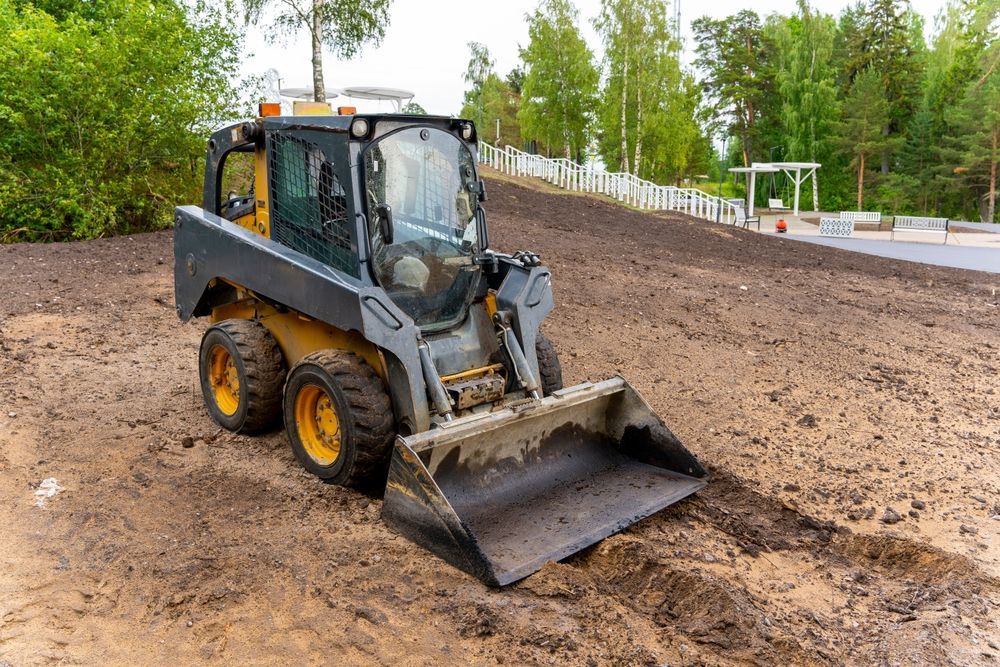
Clearing involves cutting and removing trees, grinding stumps below grade, and extracting brush and root systems that interfere with planned development. Equipment selection depends on lot size, terrain slope, and access constraints—smaller residential lots require compact machinery that minimizes soil disturbance, while larger acreage projects use heavier equipment to process high volumes of material efficiently. All debris is removed from the site, leaving cleared ground ready for the next phase of work.
Request a detailed estimate based on your lot size and the density of vegetation currently covering the property.
What You Notice Once Clearing Is Finished
Land clearing transforms unusable overgrown areas into accessible, workable sites where boundaries are visible and terrain features become apparent. The process removes obstacles that block survey work, equipment access, and visual assessment of grading needs, allowing construction planning to move forward with accurate site information. For properties where vegetation has gone unmanaged for years, clearing often reveals drainage patterns, soil composition changes, and existing structures or utility lines that were previously hidden.
After clearing, you see defined property lines, smooth ground free of stumps and root systems, and clear sight lines across the entire lot. Areas that were impenetrable due to thick brush become accessible to vehicles and equipment, and the absence of overhead tree canopy allows sunlight to reach ground level, which changes how the site drains and dries after rain events.
The extent of clearing depends on project requirements—some developments need total vegetation removal, while others preserve mature trees in designated zones and clear only specific areas for building footprints or access roads. Stump grinding depth is adjusted based on whether the site will be graded, paved, or planted with new landscaping.
Answers to Frequent Service Questions
Clearing questions often focus on project scope, timeline, and how the work affects soil conditions and site usability.
What is included in a land clearing project?
The service includes cutting and removing all targeted trees and brush, stump grinding to specified depth, extraction of root systems that interfere with grading, and hauling away all debris to leave the site ready for construction or landscaping work.
How is clearing different for residential lots versus larger acreage?
Residential clearing prioritizes minimizing impact on surrounding properties and uses smaller equipment to avoid damaging existing landscaping or structures, while acreage clearing processes larger volumes of material with heavy machinery and focuses on efficient removal across open terrain.
What happens to the debris and material removed from the site?
All cut trees, brush, and extracted root material are hauled off-site and processed—wood is typically chipped or milled, while brush and smaller vegetation are composted or disposed of according to local regulations in Spartanburg.
Can you clear around existing features we want to keep?
Selective clearing preserves designated trees, structures, or landscape features by working around marked boundaries and using precise cutting techniques that avoid damage to retained elements while removing unwanted vegetation.
Does clearing affect soil stability or drainage?
Clearing removes root systems that held soil in place, which can temporarily increase erosion risk on sloped terrain until new ground cover establishes or hardscaping is installed—erosion control measures like silt fencing or seeding may be necessary depending on site conditions and project timeline.
Open Canopy Tree Service tailors clearing scope to match development plans and site-specific conditions that affect vegetation density and access. Schedule a property evaluation to review your clearing needs and discuss preparation steps for your project timeline.